Outdoor Kitchens for Your Deck: Blending Cooking and Entertaining
Outdoor deck kitchens offer an exceptional opportunity for merging culinary activities with social gatherings. Such areas encourage family and friends to share dining experiences outdoors while elevating the visual appeal and practicality of a residence. Important components can turn a standard deck into a lively gathering space. Nevertheless, the design and choice of components demand careful consideration to enhance satisfaction and practicality. What essential aspects should one prioritize to develop the ultimate open-air kitchen environment?
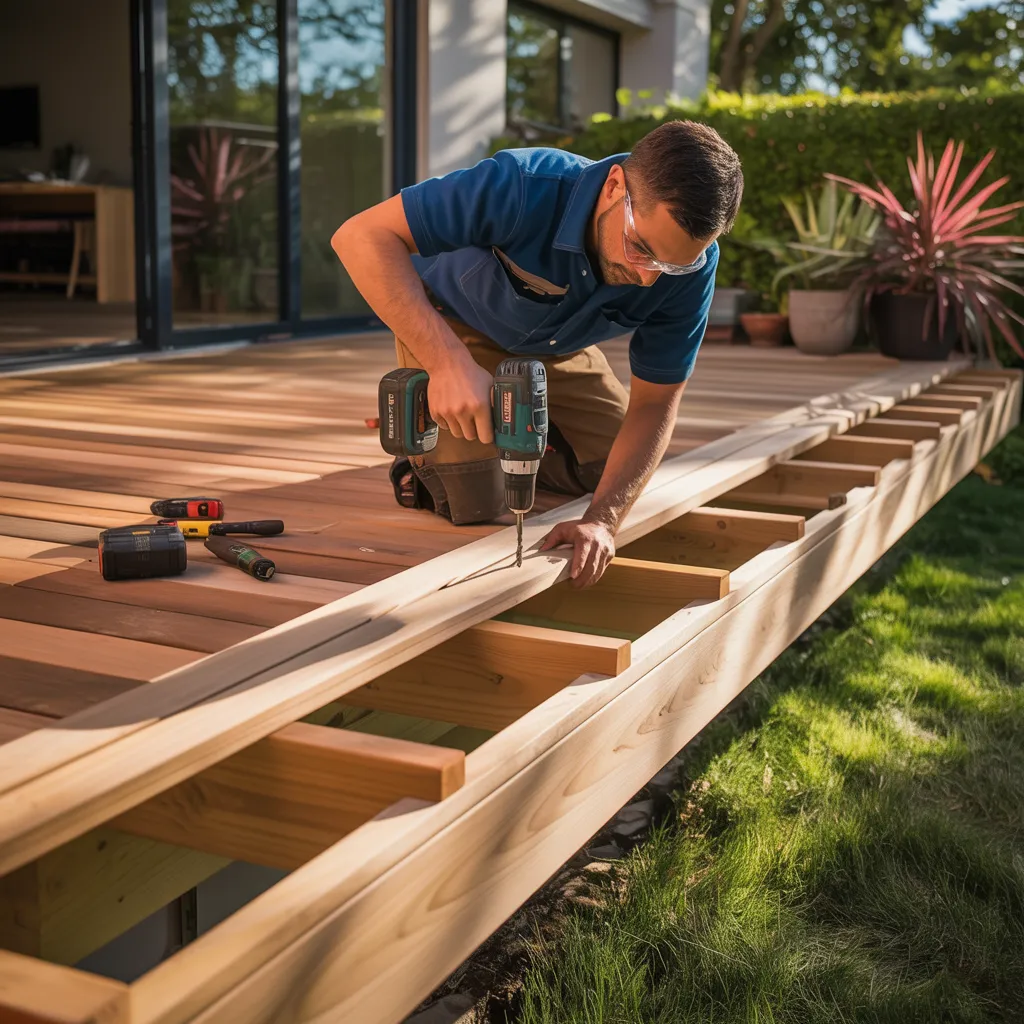
Why Your Deck Needs an Outdoor Kitchen
An outdoor kitchen transforms a deck into an inviting social hub, elevating both practicality and fun. This upgrade enriches outdoor living experiences by enabling effortless cooking and socializing in the open air. The benefit of having outdoor cooking amenities encourages more frequent gatherings, whether they are relaxed cookouts or elegant dining events.
In addition, outdoor kitchens effectively merge the natural surroundings with cooking activities, creating a unique atmosphere that indoor kitchens often lack. Families can bond over shared cooking experiences while immersing themselves in the natural surroundings.
Additionally, the inclusion of an outdoor kitchen can boost a home's appeal, making it an appealing feature for potential purchasers. With ample space for food prep, dining, and socializing, an outdoor kitchen on a deck not only enriches quality of life matching information but also nurtures togetherness and camaraderie among family and friends. As a result, the rewards of incorporating this feature are both immediate and long-lasting.
Must-Have Features for Your Outdoor Kitchen
An outdoor kitchen must feature key culinary equipment to enhance the overall dining experience. Furthermore, well-designed functional workspaces are essential for optimal performance and usability. Together, these features create a seamless blend of comfort and practicality for passionate outdoor chefs.
Key Cooking Appliances
While designing an outdoor kitchen, picking the necessary cooking tools is crucial for both functionality and enjoyment. A premium grill frequently serves as the focal point, providing flexibility for a range of cooking techniques. Working alongside the grill, a dependable outdoor refrigerator guarantees easy access to drinks and food items, boosting efficiency during entertaining. For those who enjoy versatility, a smoker can introduce distinctive tastes to recipes. Moreover, a sink with running water streamlines food preparation and washing, making the cooking experience seamless. Incorporating a side burner enables the preparation of sauces or side dishes while keeping the grill free. Finally, a space-saving outdoor oven can expand cooking possibilities, making room for homemade pizzas or desserts. These appliances combined elevate the outdoor cooking experience, making it both enjoyable and efficient.
Functional Workspaces Design
Creating a well-organized cooking space in an outdoor cooking area is essential for improving performance and comfort. A strategically designed setup features essential components such as ample counter space for food preparation and serving. Including a utility sink allows for easy cleanup and boosts food preparation productivity. Storage systems, like cabinets and shelves, are critical for ensuring tools and ingredients sorted and readily available. Furthermore, careful positioning of cooking appliances, such as barbecue grills and smokers, guarantees a smooth workflow. Plan to include a shaded area to keep chefs safe from the elements while preparing meals. Finally, incorporating an open-air bar or lounge area enhances community gathering, permitting guests to gather and enjoy the dining experience. As a whole, these components deliver an inviting and practical exterior cooking space.
Selecting the Perfect Grill for Your Area
Selecting the appropriate grill for an outdoor kitchen demands careful consideration of dimensions and fuel source. The dimensions of the grill must match the available space, ensuring effective utilization without cluttering the space. Additionally, the decision between gas, charcoal, or electric can considerably influence the overall cooking experience and ease of use.
Considerations for Grill Size
Picking the appropriate grill size is important for enhancing an outdoor kitchen space, as it guarantees both functionality and comfort during cooking and entertaining. A grill that is too small may limit cooking options, leading to inconvenience when entertaining guests. On the other hand, an oversized grill can overwhelm the space, making it seem overcrowded and uninviting.
When selecting the right grill, one must take into account the usual number of guests being entertained and the kinds of meals being cooked. For small families or intimate gatherings, a compact grill may be all that is needed. Bigger households or those who entertain often may benefit from more expansive grills with multiple cooking zones. At the end of the day, the best grill will harmonize with the existing layout of the outdoor cooking space, ensuring a harmonious and efficient cooking environment.
Fuel Type Options
Aside from the size of the grill, fuel type plays a significant role in determining the compatibility of a grill for an outdoor kitchen. Homeowners generally decide between propane, natural gas, charcoal, or electric grills, all of which offer their own distinct advantages. Propane grills are both portable and user-friendly, making them ideal for those who prioritize convenience. Natural gas grills demand a permanent hookup but ensure a reliable fuel source, removing the hassle of replacing tanks. Charcoal grills provide a time-honored flavor that many grilling fans enjoy, though they demand additional time and effort to heat up. Electric grills present a smokeless alternative, suitable for smaller spaces. At the end of the day, the fuel type chosen should correspond to culinary preferences, spatial constraints, and overall lifestyle requirements.
How to Design Your Outdoor Cooking Space
Planning an outdoor kitchen area necessitates careful consideration of several key aspects to craft a functional and inviting environment. To begin, the arrangement should facilitate seamless flow between food preparation, distribution, and dining spaces. An open design cultivates engagement between visitors while limiting bottlenecks.
Moreover, opting for long-lasting options is critical, as exterior conditions can be challenging. Weather-resistant counters and storage units ensure durability and simple upkeep.
Adding appropriate lighting is necessary for evening gatherings, elevating both safety and the overall atmosphere.
Furthermore, adding storage options enables systematically arranged culinary necessities, keeping the space clutter-free.
Ultimately, considering how close the space is to the home can boost convenience for both meal preparation and cleanup. Harmonizing visual appeal with practicality will create a cohesive space that encourages socializing and culinary creativity, making outdoor cooking a delightful experience.
Top Appliances for Outdoor Cooking
A well-equipped outdoor kitchen enhances the culinary experience and elevates gatherings. Fundamental appliances for outdoor cooking encompass high-quality grills, which function as the centerpiece for grilling. Gas, charcoal, and pellet grills each deliver unique flavors and cooking styles, appealing to a variety of preferences.
Outdoor ovens are another valuable addition, enabling a wide range of cooking possibilities, from crafting artisan pizzas to slow-roasting meats. Furthermore, smokers are capable of delivering deep, smoky tastes, attracting passionate barbecue lovers.
Refrigeration units are vital for convenience, maintaining the freshness of ingredients and the coolness of drinks. Having a sink with running water further enhances the cooking process, rendering food prep and cleanup far more efficient.
To supplement these, extra burners supply added space for cooking for sauces and side dishes, guaranteeing everything is prepared all at once. As a whole, these cooking appliances not only enhance functionality but also elevate exterior spaces into culinary retreats, exceptional for entertaining guests.
Crafting the Perfect Cozy Outdoor Dining Space
Adding decorative fabrics, like cushions and table runners, brings warmth and elegance. To create an inviting ambiance, thoughtfully arranged garden lighting—like string lights or decorative lanterns—can transform the space during evening gatherings.
Introducing greenery via potted plants or hanging baskets introduces a natural element that enhances the overall environment. An thoughtfully chosen centerpiece, such as a bouquet of fresh flowers or seasonal arrangements, can act as a striking focal point.
Furthermore, think about the design of the eating space, confirming it aligns with the adjacent al fresco kitchen and leisure areas. This deliberate preparation guarantees that each dining occasion is an unforgettable event.
How to Care for Your Outdoor Kitchen Appliances
Creating a cozy outdoor dining area inevitably brings about the necessity of consistent care for outdoor kitchen fixtures. Consistent care secures long-lasting use and top performance. Thoroughly cleaning grills after each cooking session is critical, removing grease and food particles to prevent flare-ups and rust. Equipment ought to be examined regularly for signs of damage and deterioration, with any damaged components replaced promptly.
To care for countertop surfaces, applying a gentle cleaning solution and a soft cloth can prevent stains and keep them looking polished. Furthermore, outdoor refrigerators need to be maintained at the correct temperature, and drains should be kept clear to prevent blockages. Using protective covers on appliances when they are not in use helps safeguard them from environmental factors, thereby increasing their durability.
Lastly inspecting gas and electrical connections consistently promotes safety. By committing to these maintenance practices, homeowners are able to enjoy their exterior kitchen areas for years to come, enhancing both cooking and entertaining experiences.
Inspiring Design Ideas for Your Outdoor Kitchen
Outdoor kitchen spaces provide a platform for imaginative design concepts that can transform any outdoor living area. One popular idea is integrating a dual-purpose island, which serves as both a prep area and a dining space, facilitating smooth and enjoyable gatherings. Using naturally sourced materials, such as wood or natural rock, can bring a warm and rustic character while blending with the surroundings.
Installing a pergola, awning, or similar structure delivers shade and comfort, improving the outdoor experience. Another creative approach involves utilizing vertical gardens or herb walls for aesthetic appeal as well as culinary convenience.
For lighting, explore decorative pendant lights or recessed LED strips that improve the atmosphere while offering functional lighting. Furthermore, integrating smart features, such as embedded speakers or outdoor-grade refrigerators, can enhance the usability of the area. Ultimately, personalized touches reflect individual style, transforming any outdoor kitchen into a unique gathering spot for family and friends.

Frequently Asked Questions
What Are the Best Materials for a Durable Outdoor Kitchen?
Stainless steel, stone, and weather-resistant composites serve as the best options for long-lasting outdoor kitchens. These choices withstand harsh elements, resist corrosion, and maintain aesthetic appeal, guaranteeing a durable and practical cooking area in exterior environments.
How Do I Protect My Outdoor Kitchen From Weather Damage?
To protect an outside cooking area from environmental damage, one should use waterproof covers, establish effective drainage, opt for rust-proof materials, and routinely care for all surfaces. These steps guarantee longevity and functionality regardless of outdoor conditions.
Is It Possible to Install an Outdoor Kitchen on My Own?
Absolutely, homeowners can build an outdoor kitchen by themselves, provided they possess the essential skills and tools. Careful planning and following local construction codes are critical for a safe and successful build.
What Permits Are Needed for Constructing an Outdoor Kitchen?
Municipal codes typically necessitate permits for outdoor kitchens, including electrical, zoning, and building permits. It is important to consult municipal guidelines and possibly hire a licensed contractor to guarantee conformity with all applicable safety and legal standards.
How Do I Incorporate Lighting Into My Outdoor Cooking Space?
To integrate lighting into an outdoor cooking space, one can place ceiling-mounted fixtures, string lights, and task lighting near food preparation areas, providing a well-lit environment that improves ambiance and safety during nighttime gatherings.